
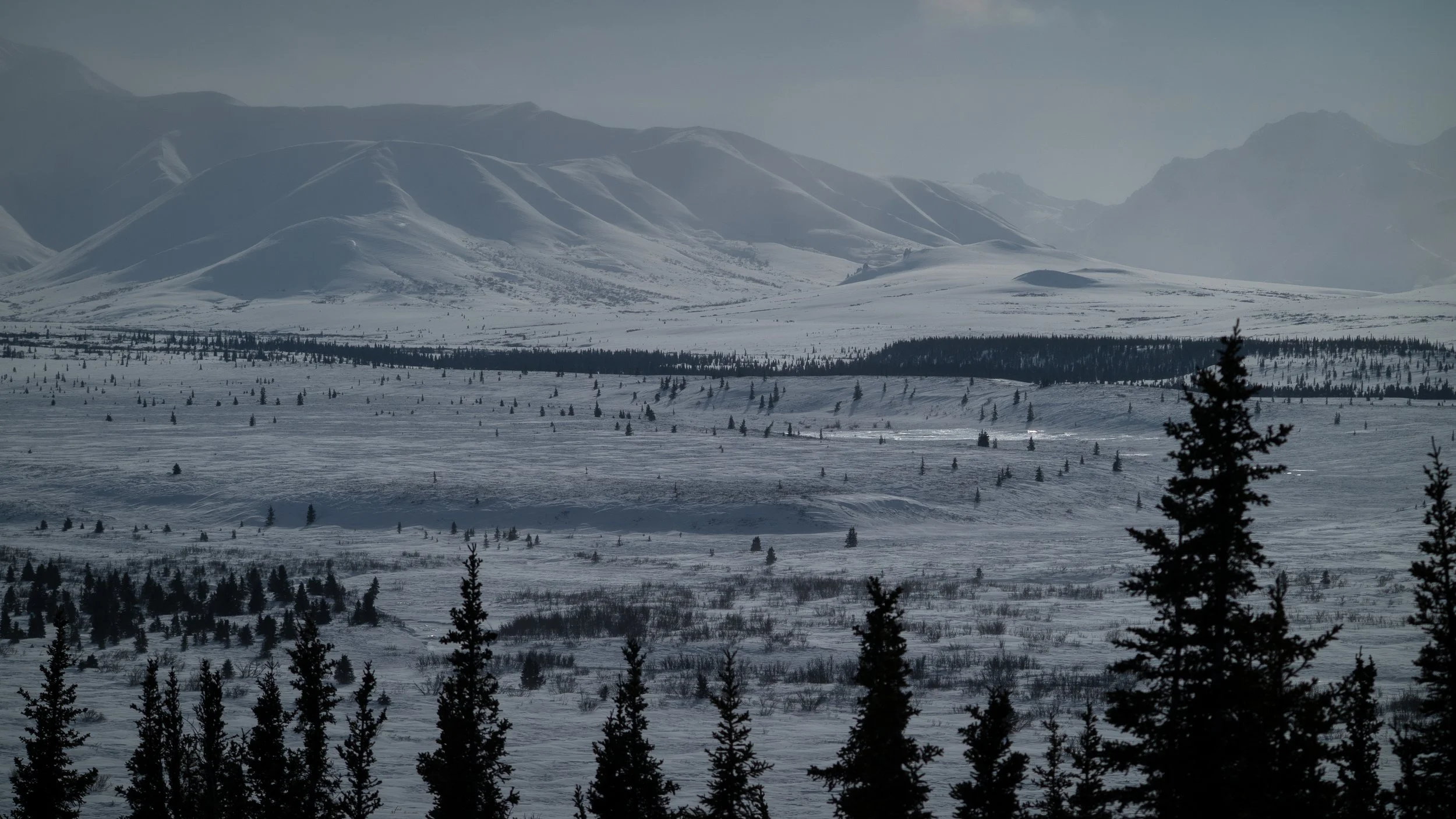
Lynx in Winter
2026.3 UPDATE
Chapter 2: A successful encounter through tracking
Waiting for the Numbers to Rise
Four years have passed since the 2022 update in Chapter 2. Finally, a distinct trend of increasing Canada lynx populations has become evident in Interior Alaska.
When I say "the numbers are rising," I am referring to the regular "11-year cycle"—a rhythmic wave of dramatic surges and crashes in the lynx population. I had learned this through study, and my own observations in the field have consistently aligned with this knowledge.
This cycle is driven by the sudden disappearance, or "crash," of the snowshoe hare—the lynx’s primary lifeline.
There are three major factors behind this crash, one of the most significant being a decline in the hares' reproductive capacity. As their predator, the lynx, increases in number, the hares experience intense stress and consume less food. This leads to a drop in cortisol levels, which in turn reduces ovulation and birth rates. Such is the delicate nature of the snowshoe hare in the North.
As seasons turn and years pass, when the hare population rebounds, the lynx return. Recent research has revealed that North American lynx do not necessarily starve to death when hares disappear; instead, they may travel thousands of kilometers outside their usual territories in search of prey. (See Chapter 2 for details.)
During a winter in Denali National Park, while I was filming other wildlife, I noticed an increase in lynx tracks.
At the same time, I saw that snowshoe hare tracks were also abundant.
The area near the entrance of Denali National Park consists of patches of boreal forest—a mix of spruce and birch—interspersed with tundra. These spots provide the hares with plenty of willow to eat while offering cover from predators.
I began to think that I might have a chance to witness the lynx’s breeding season.
"Don't expect too much, but keep returning to the same spot over and over again. That's the plan this time..."
This was the conclusion I reached, drawn from the experience of encountering a lynx only seven times over the course of eight years.
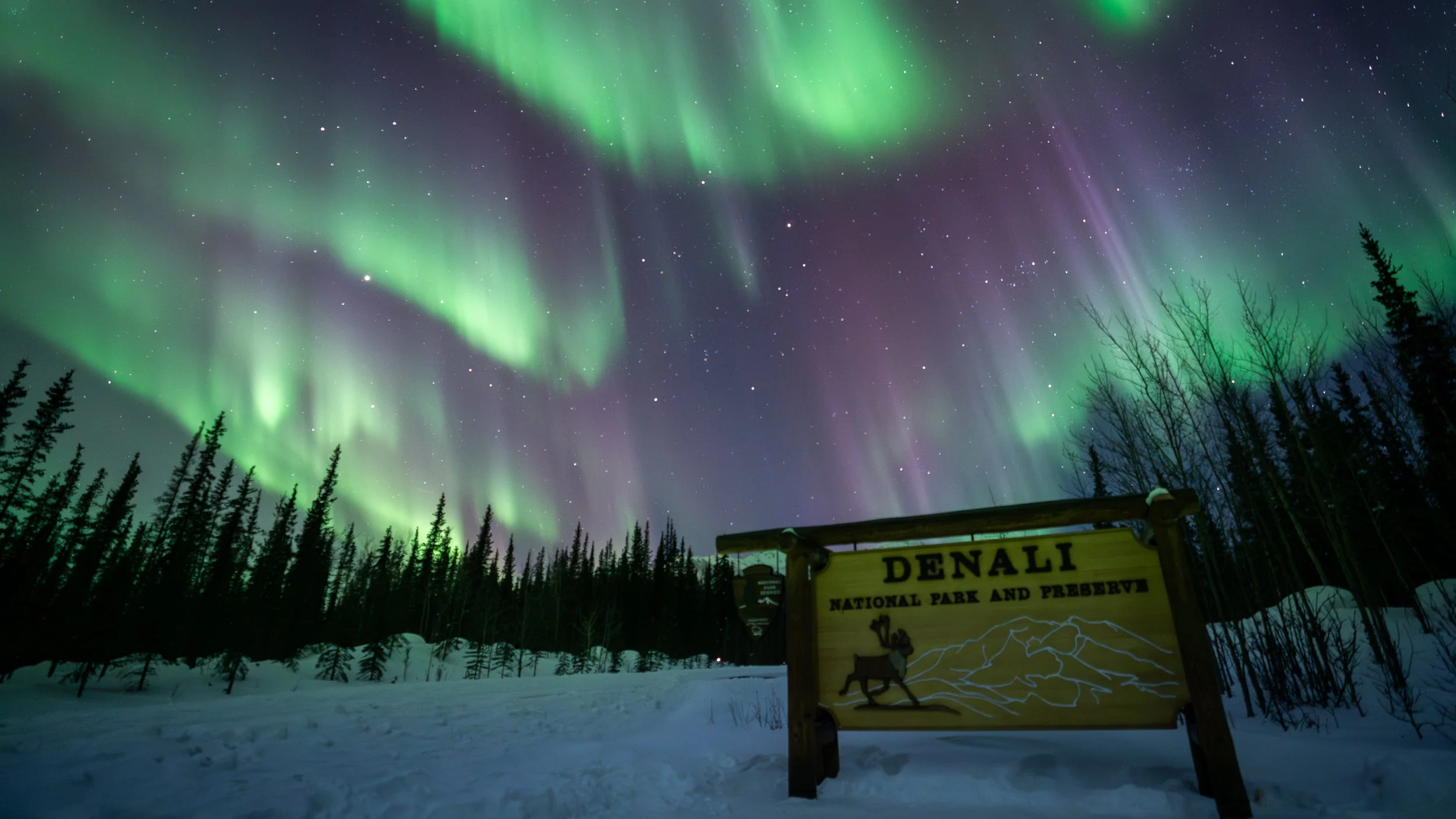
Denali National Park & Preserve
Denali is a popular national park that draws as many as 400,000 visitors during the summer tourist season. Even in winter, the number of visitors has been rising lately due to activities like aurora viewing and cross-country skiing. Because lynx tend to be extremely elusive and avoid human presence at all costs, I had initially thought this land would be ill-suited for the slow, patient work of tracking them...
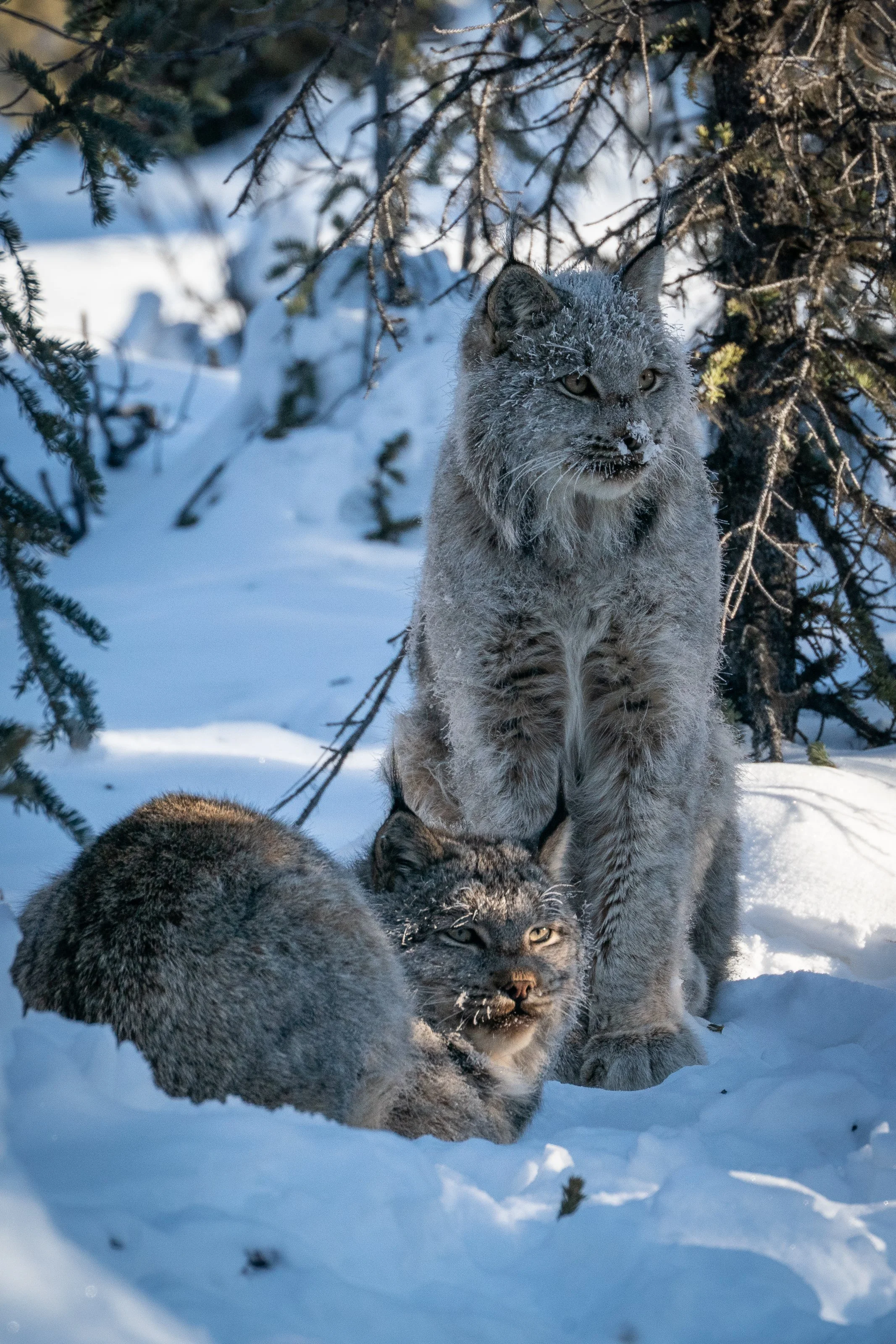
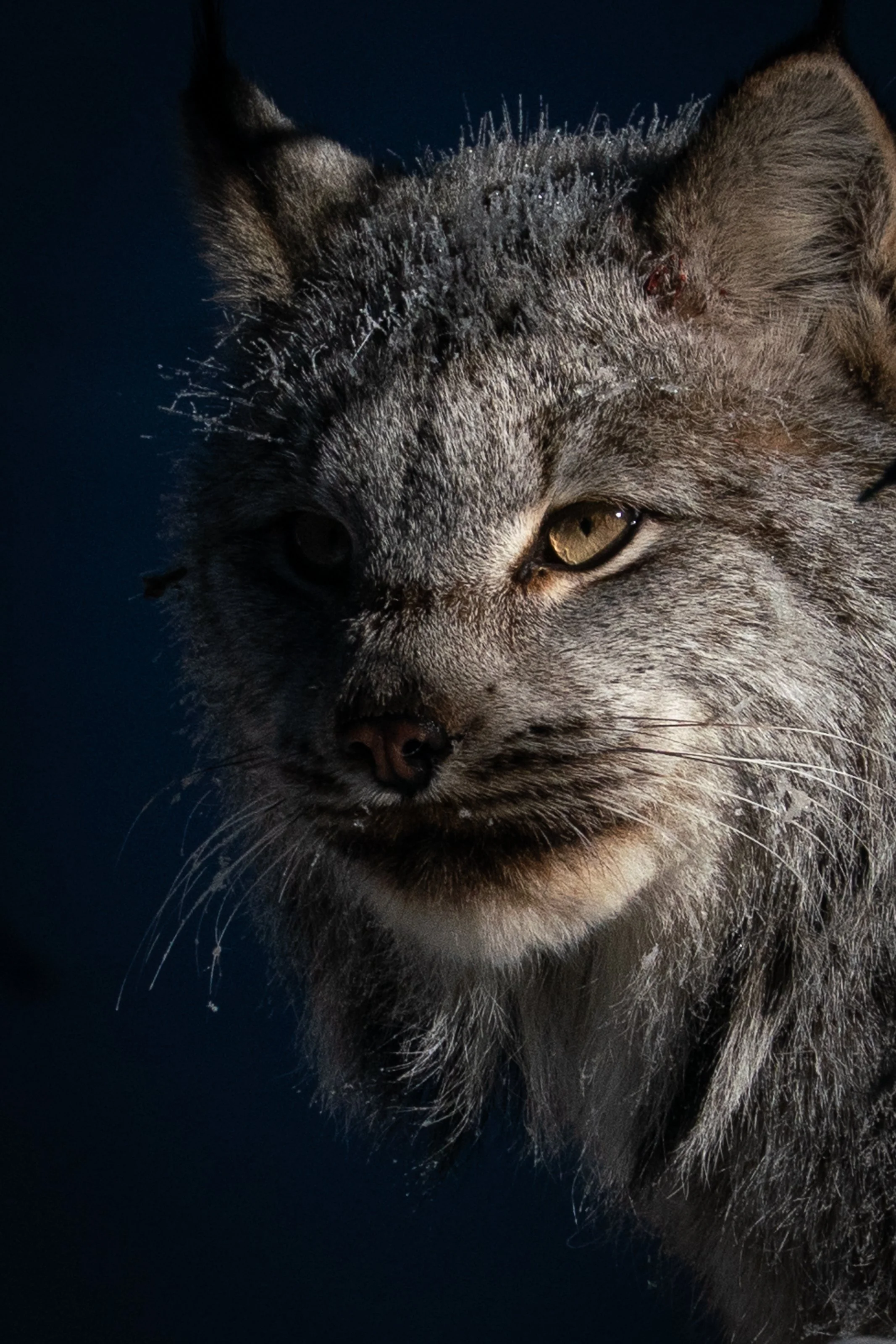
Encountering the Lynx
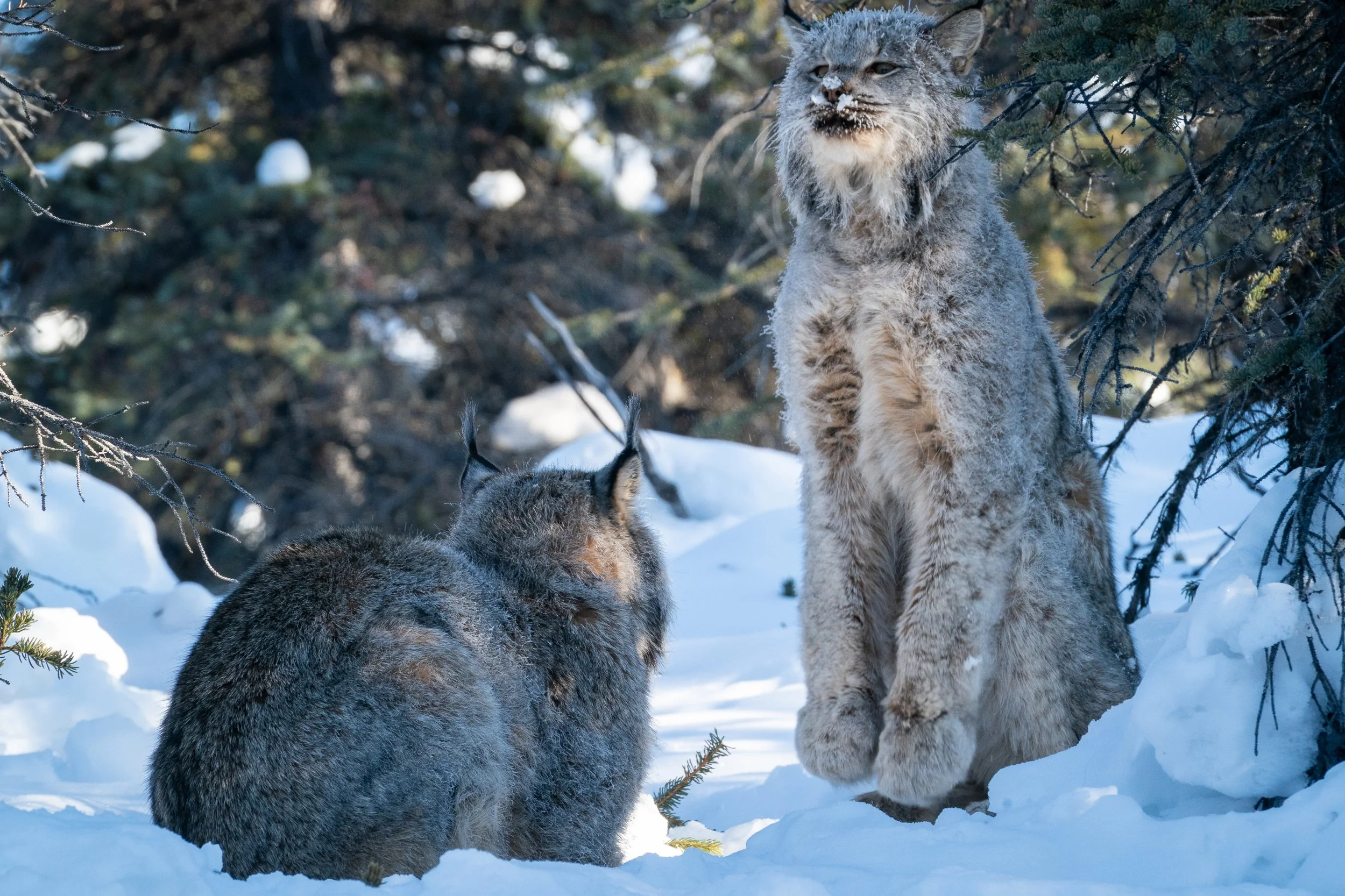
Even as I stood at a close range of about five meters, they barely seemed to notice I was there.
Until the day of this encounter, I had followed their tracks over and over again.
One day, searching for wildlife since the pre-dawn twilight, I noticed something between the trees deep in the forest. I have been "finding" animals for over fifteen years. Photography always begins with the act of finding; without it, you cannot capture even a single frame.
When you continue the act of photographing wildlife, you eventually develop a specific kind of vision. From a vague landscape that looks like a blurred monochrome mosaic of trees and snow, a single tuft of fur—sharp as a cold needle—emerges as a distinct entity. You learn to pick it out instantly.
In ancient times, when humans hunted in cooperation, there must have been someone whose specific role was to spot the prey. That person surely used such eyes to find Arctic animals, whose colors are designed to melt perfectly into the scenery. Even if I can't tell what it is from a distance, with these eyes, I know the moment I get a little closer. I knew it was a lynx.
"But if I walk straight toward it, it will flee again. Every single one has fled before. No matter how much time I spent, it never worked."
"Should I take a wide detour? If I don't move with absolute caution, everything will be ruined. Yet, I also know that it is exactly that awkward, clumsy movement that makes a lynx wary."
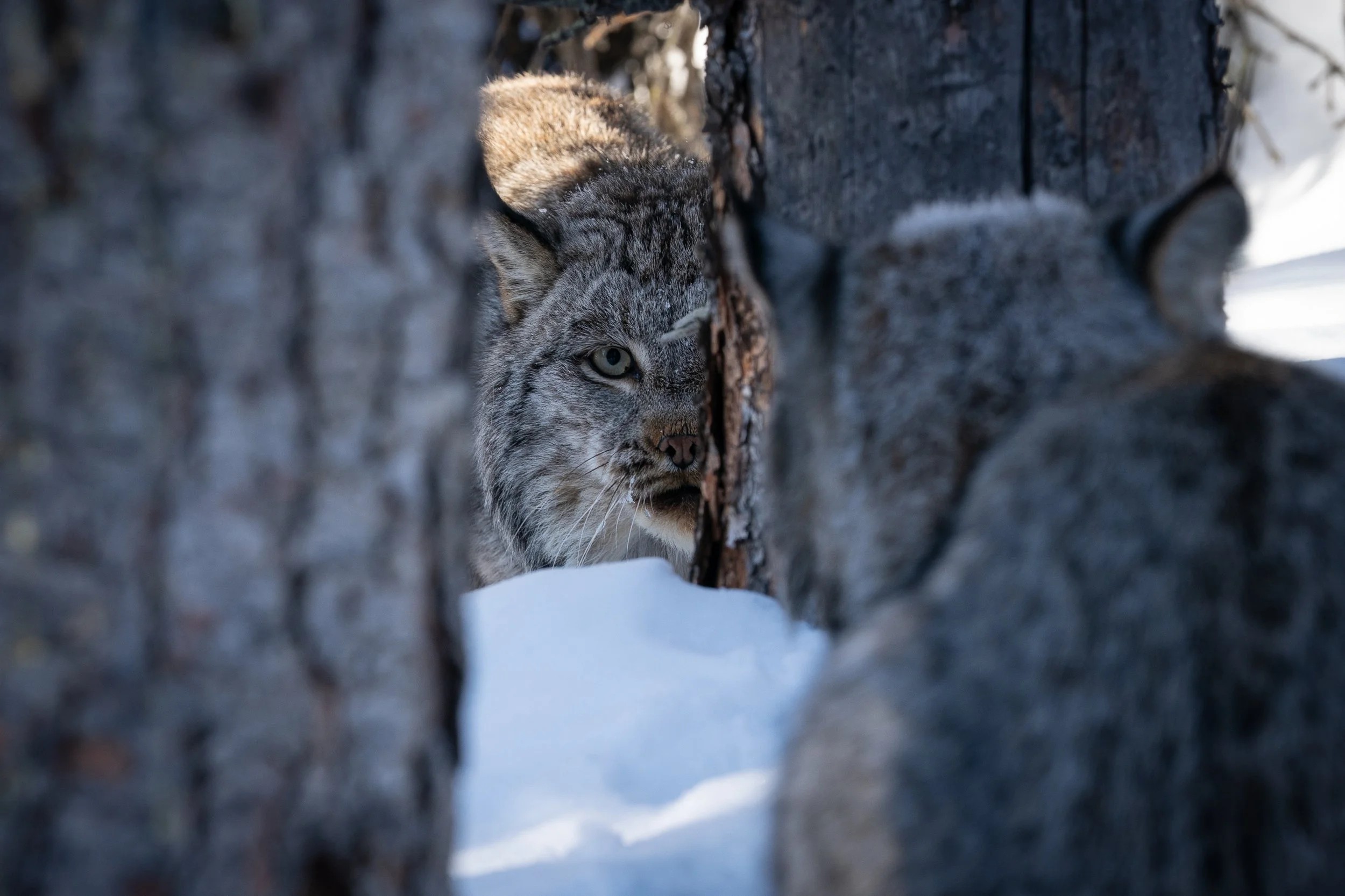
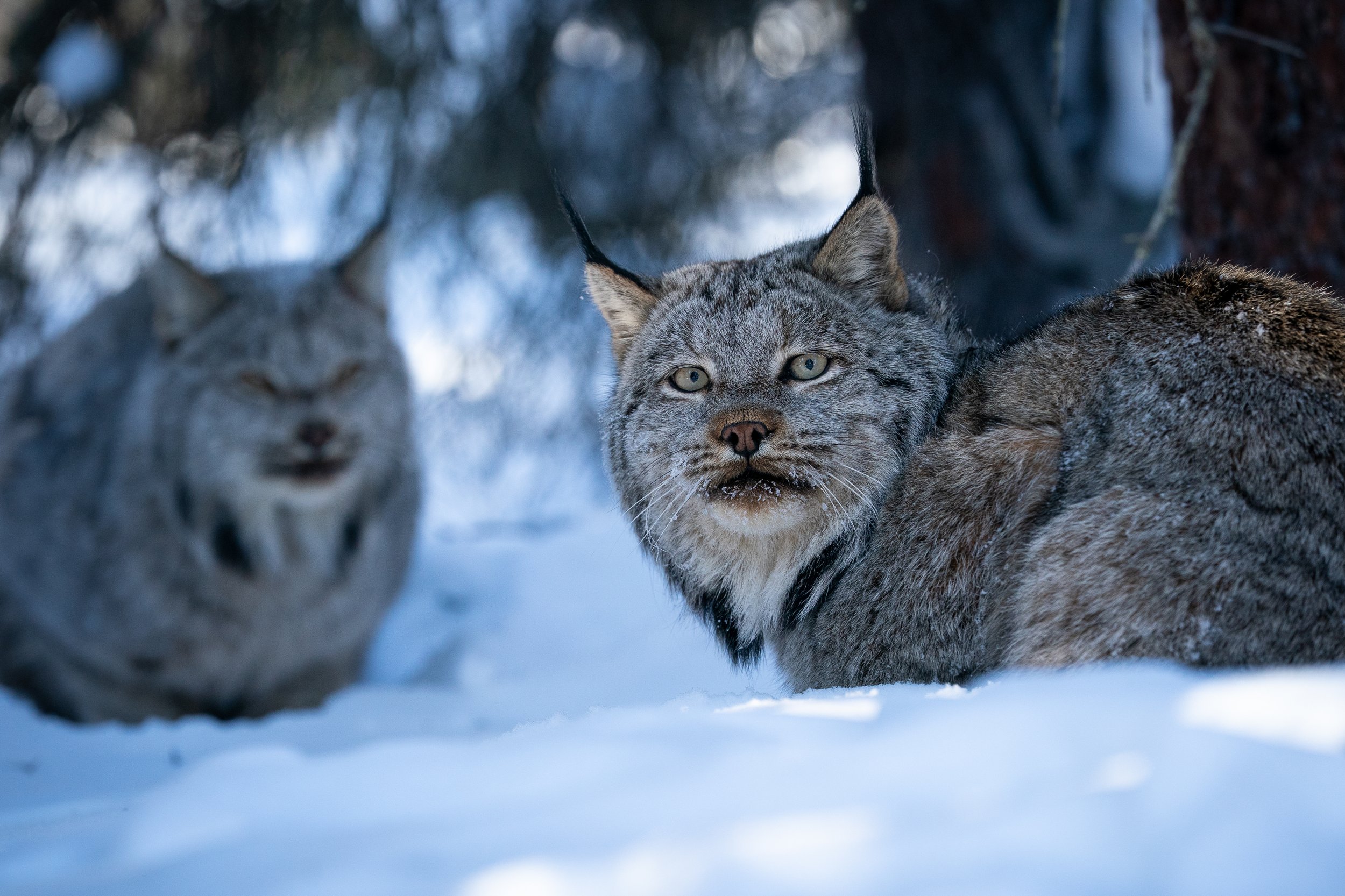
Then I realized there were two of them. I knew immediately they were a pair in breeding season.
"If it's a pair during this season, I might have a chance."
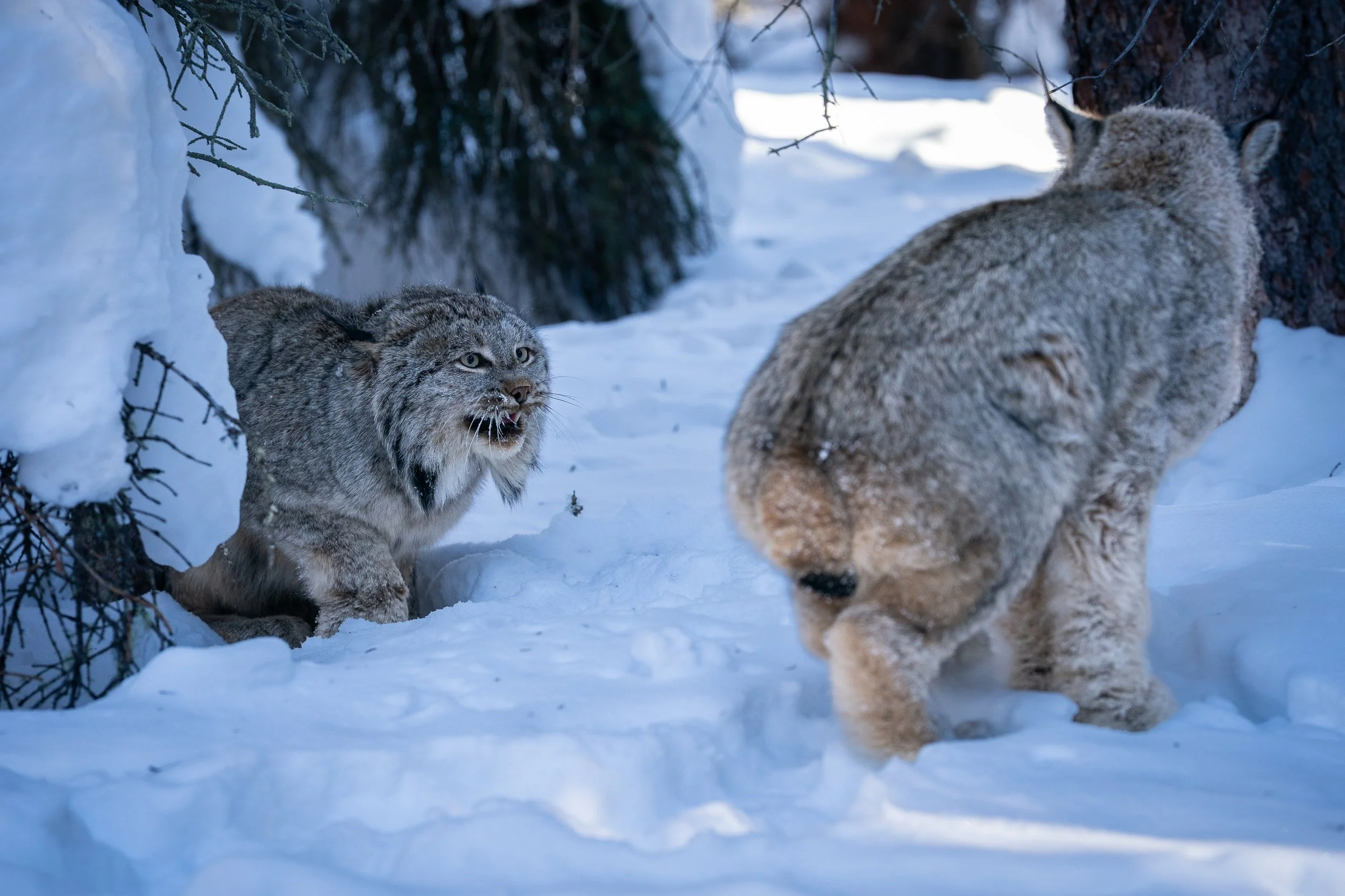
I say this because this animal exhibits a peculiar behavioral trait during the mating season: they pay almost no attention to anything other than each other. Once, about ten years ago, two lynx came straight toward me. They approached within three meters—close enough to pass me on the snowy path I was walking. They only stopped and turned into the forest because I was physically in their way, looking at me with a puzzled expression. I realized then that they had completely lost their usual vigilance. They were in a state of "abnormality" unique to the mating season, where the male refuses to let the female out of his sight, and the female retreats but never strays too far. This memory is why I thought, "This might actually work."
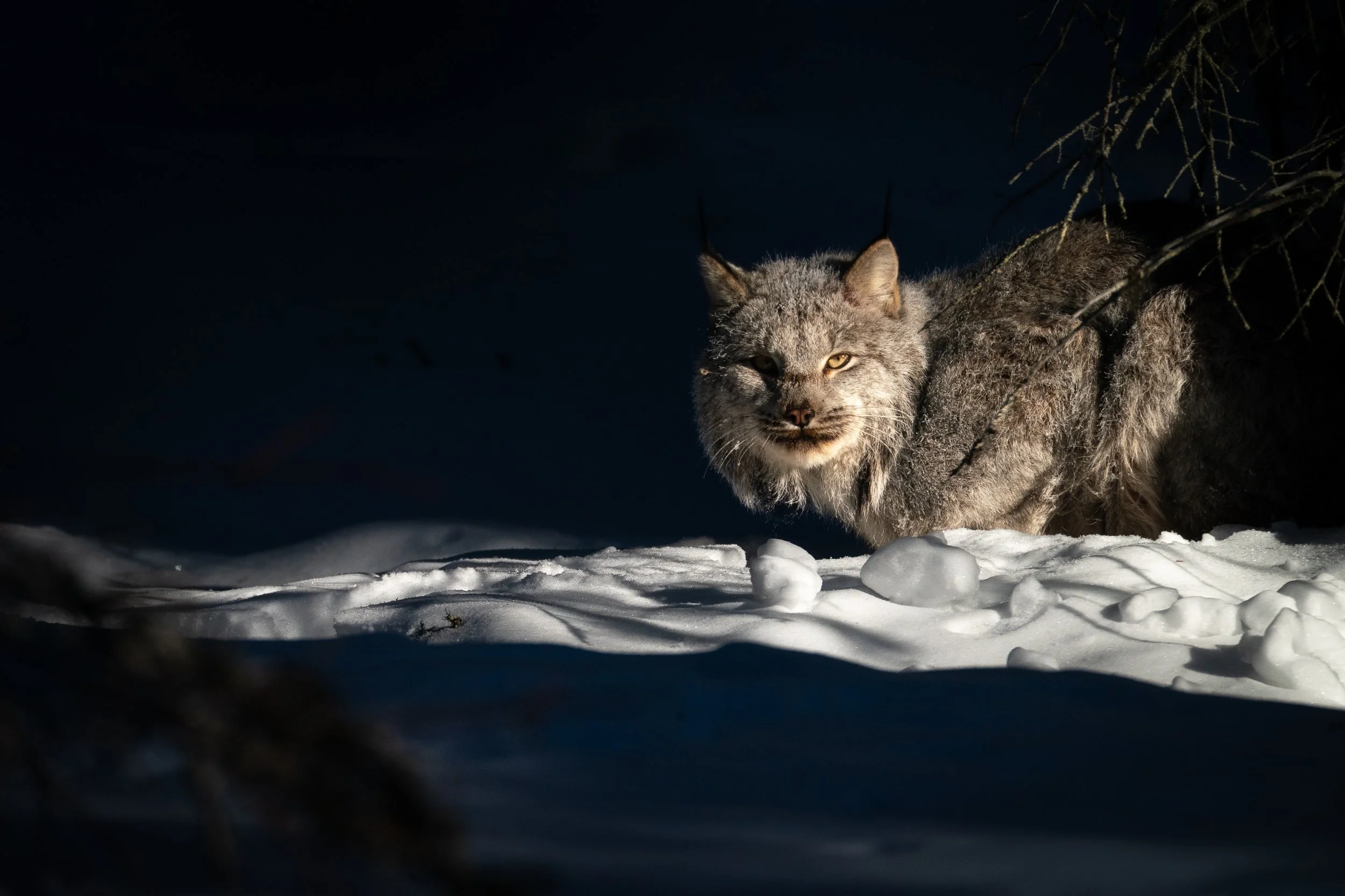
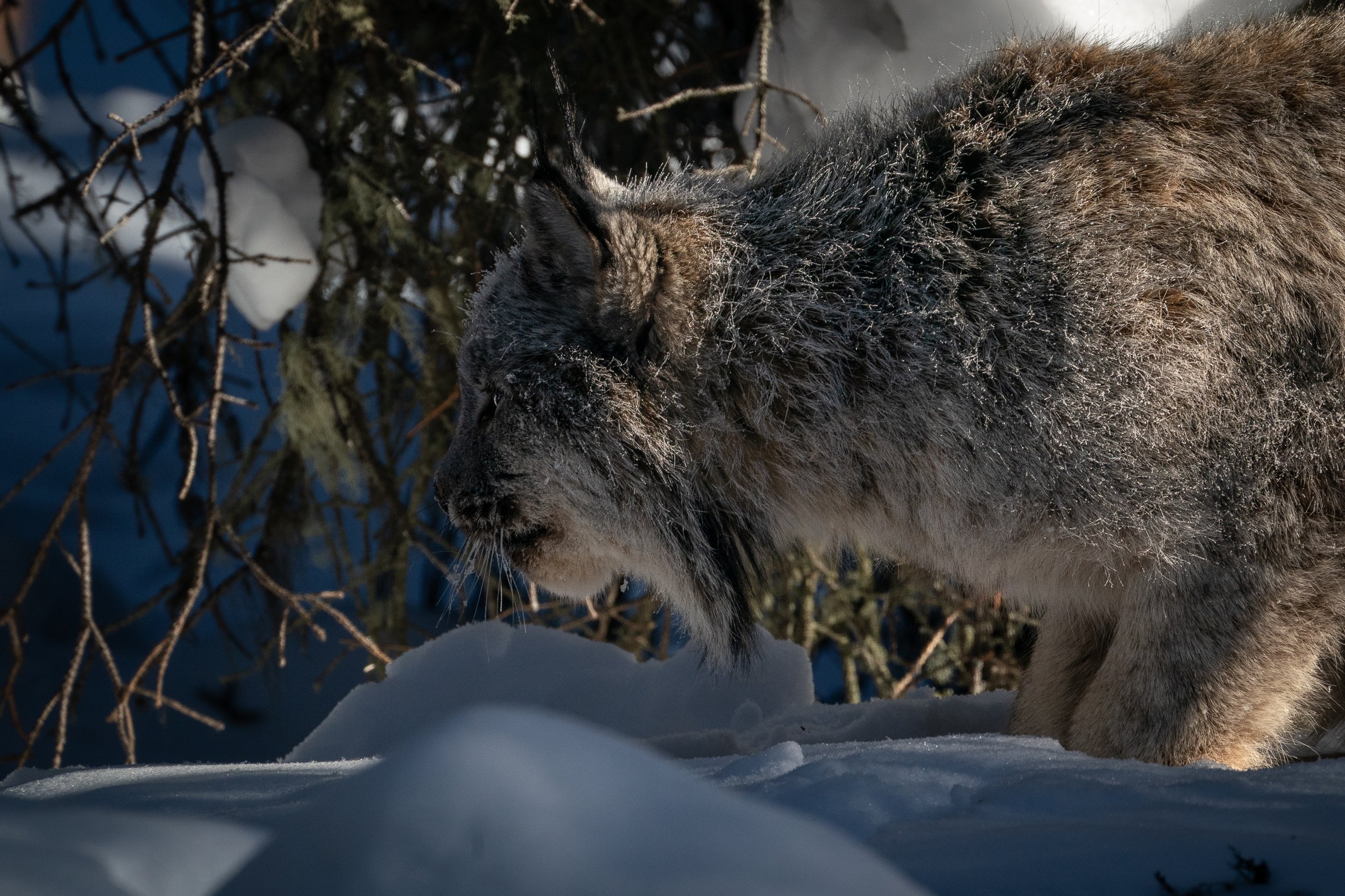
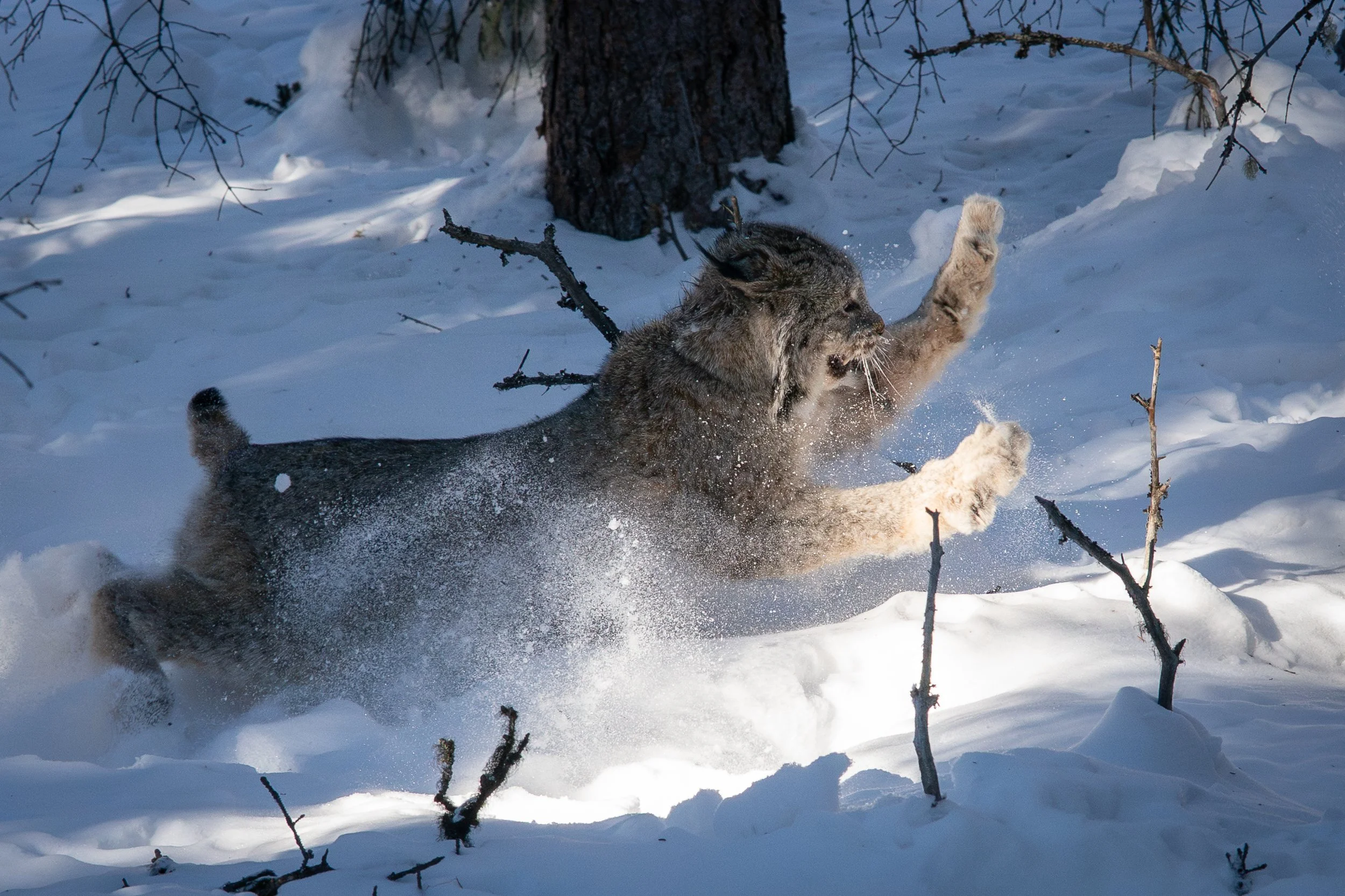
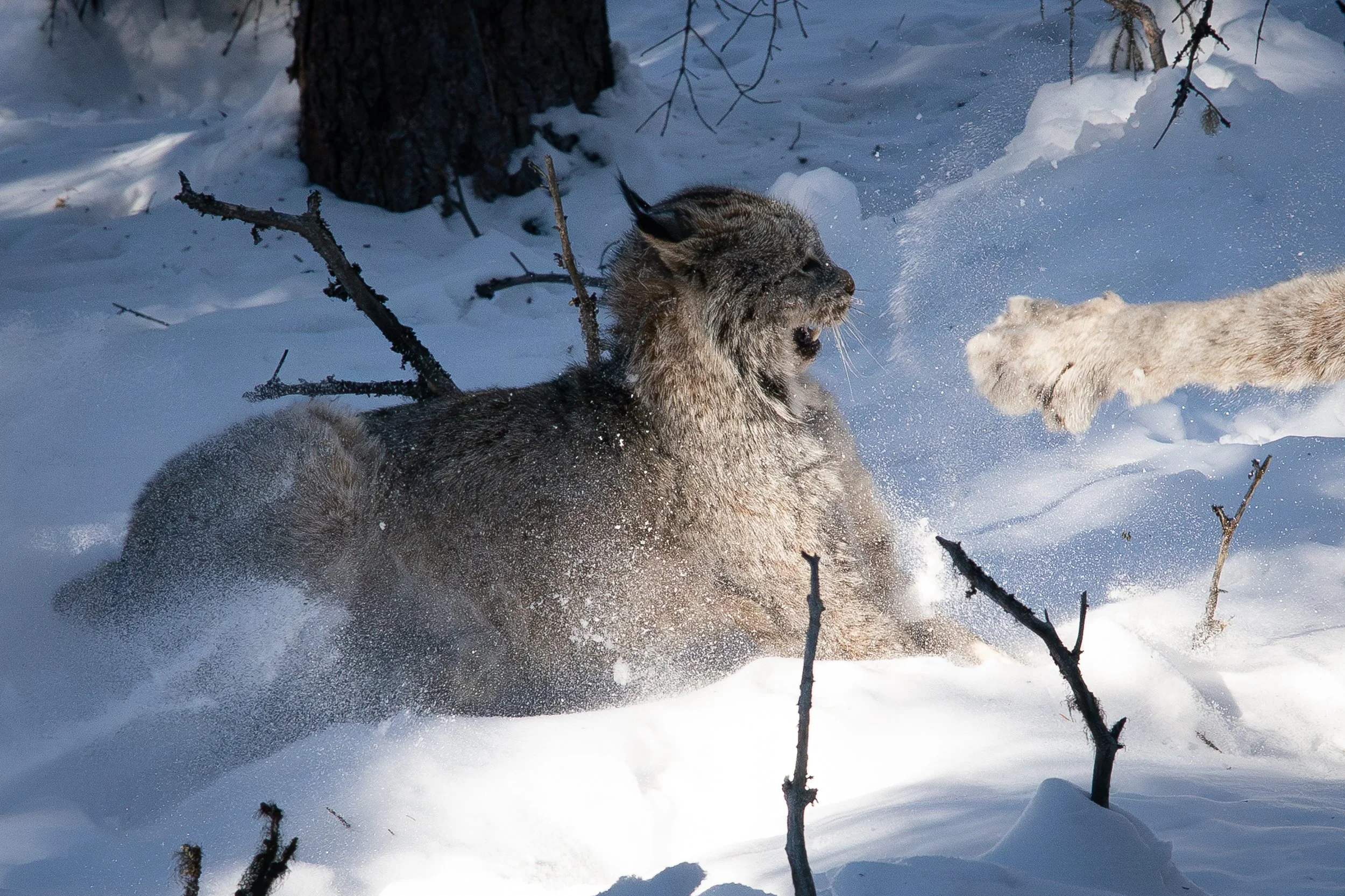
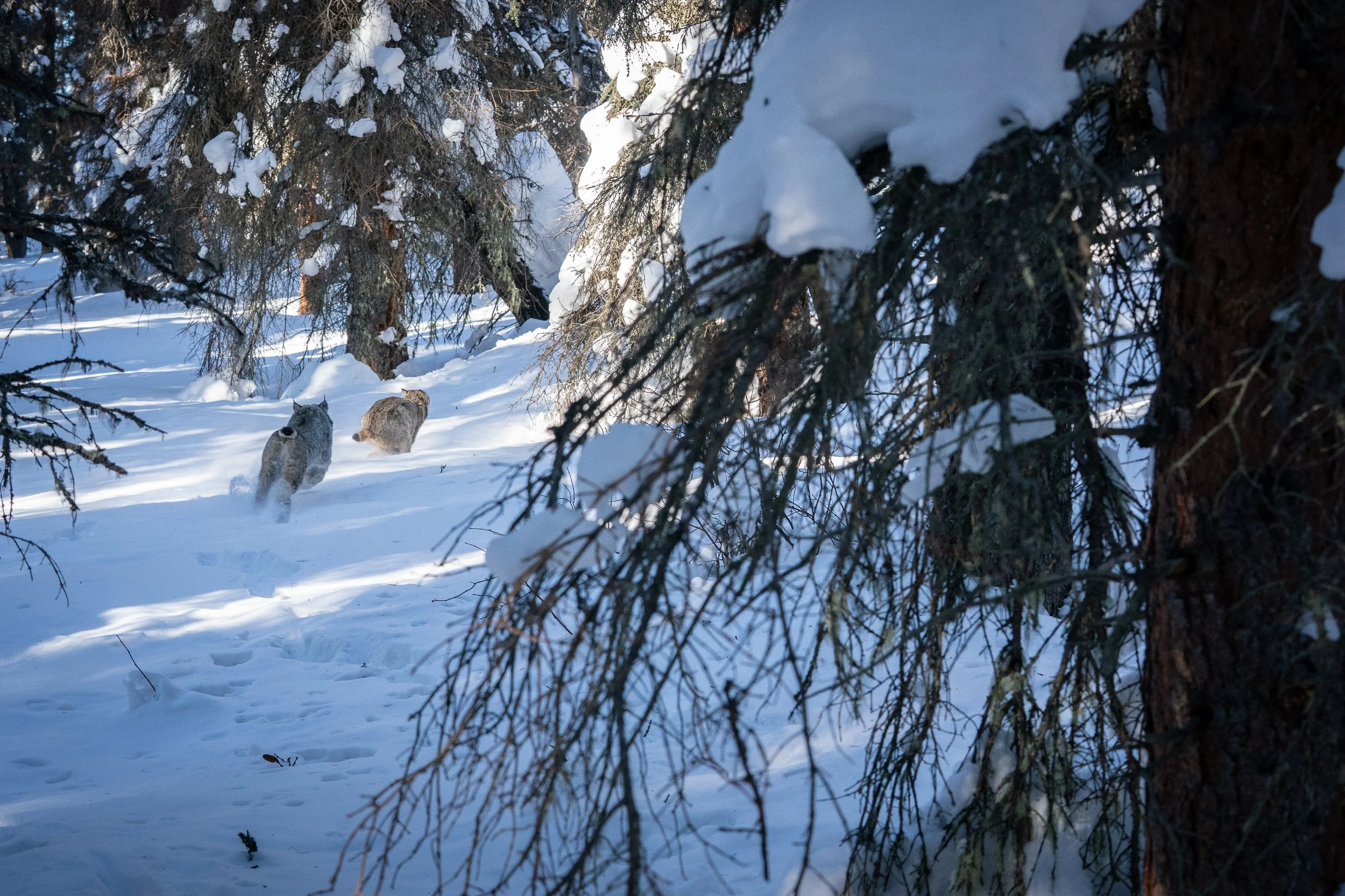
A Moment of Strategy
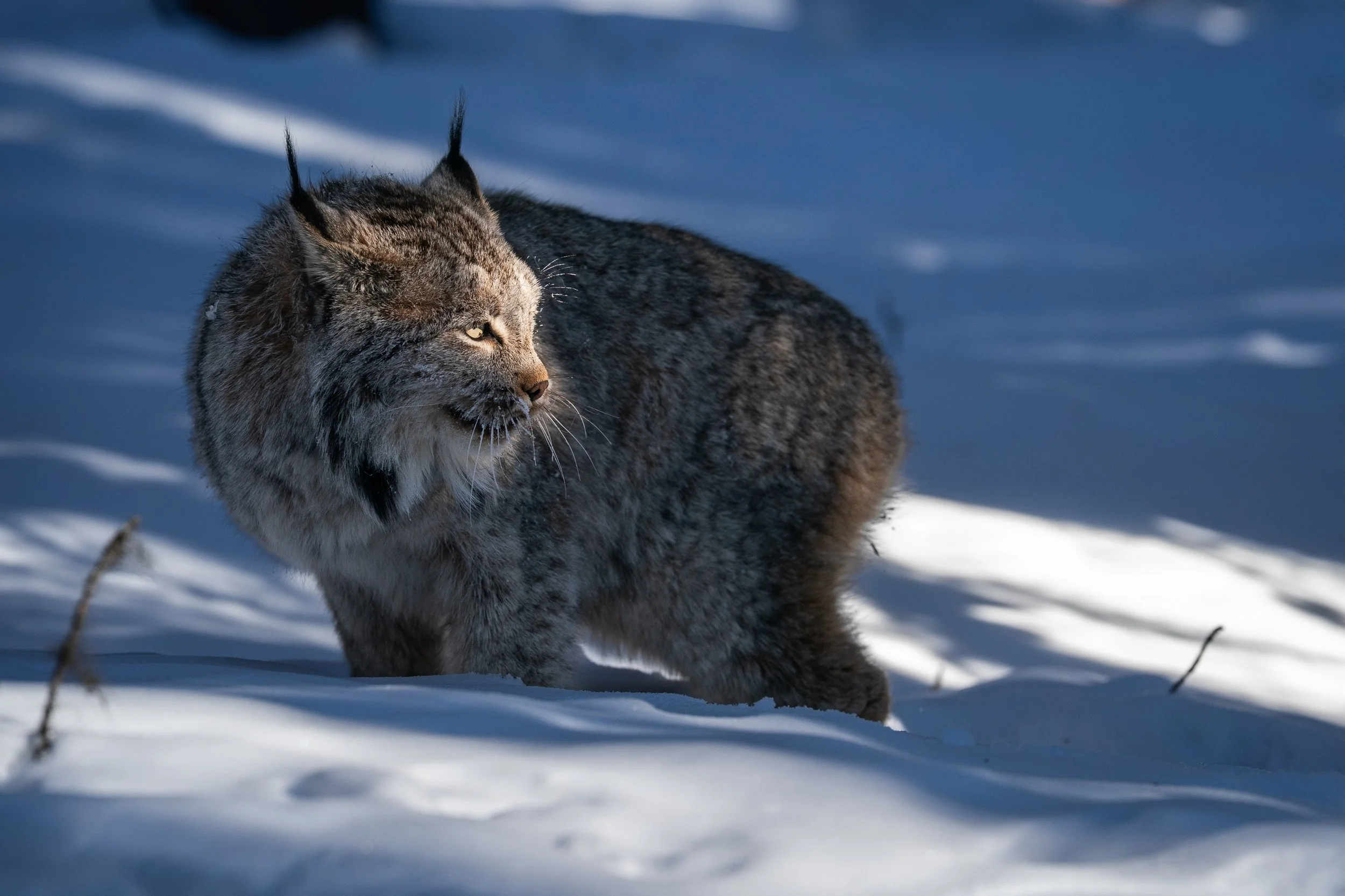
The male lynx lowers his head, positioning himself with the sun at his back to fix his gaze on the female. She contracts her iris muscles to the limit, narrowing her pupils against the glare, yet she still wavers slightly in the dazzling spring light.
This young male approaches as if he were the master of the taiga, knowing its every secret, turning the environment itself into his ally.
In this season, the sun beats down from a high angle, its brilliance reflecting off the snow while trees cast deep, black shadows where the light cannot reach. During the day, the sun thaws only the topmost layer of the snow; as the sun sinks and the shadows stretch, that layer freezes instantly. In the mornings of this season—when the "crust" hardened by this constant battle of elements becomes firm enough to support his weight—the lynx gains the ability to sprint across the snow's surface with incredible speed.
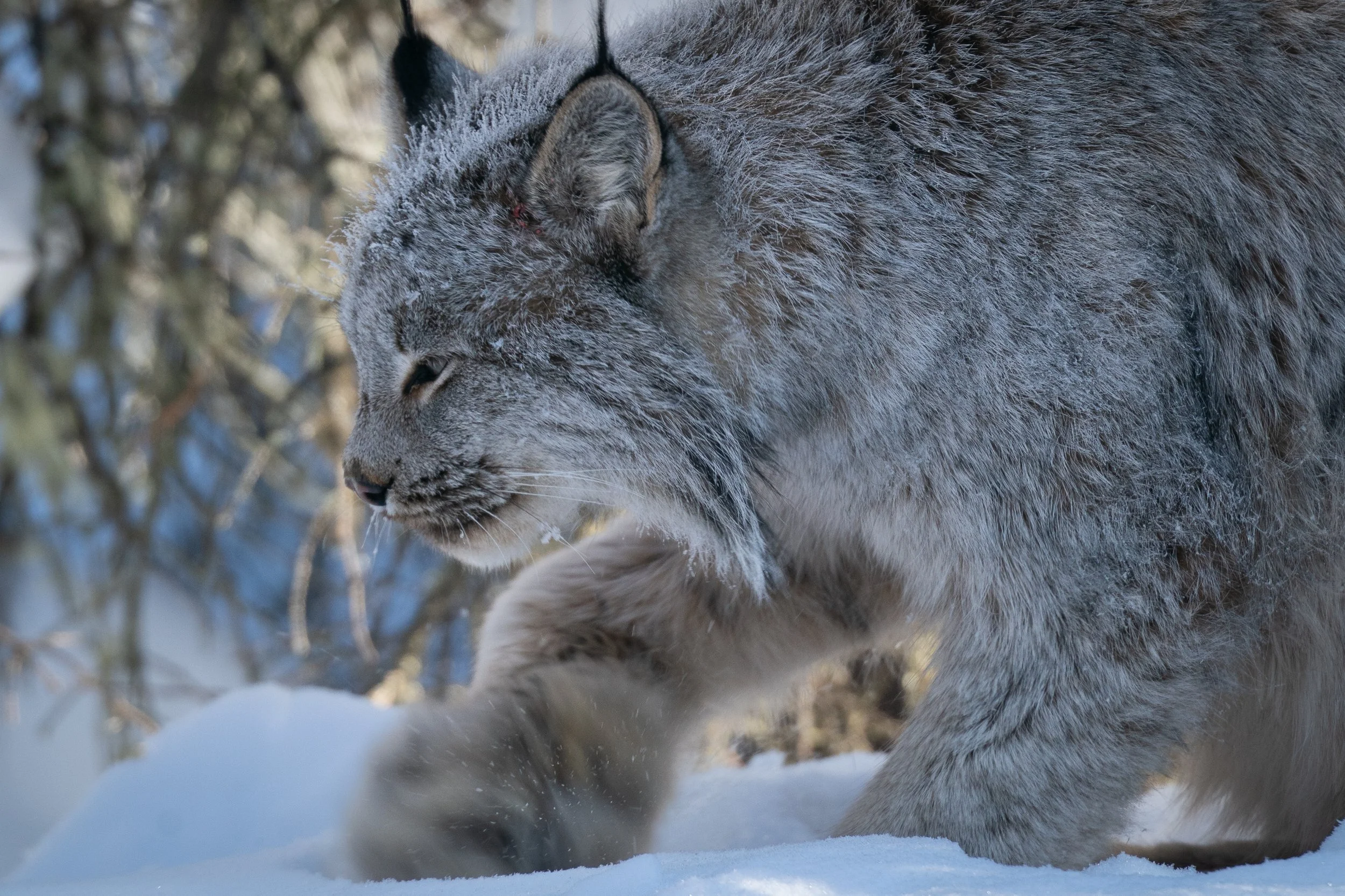
The dense undercoat that protected him through the brutal Alaskan winter absorbs the morning light, gradually warming his body. As the sun climbs higher, his muscles relax just enough; blood flows, oxygen circulates, and he readies his explosive power.
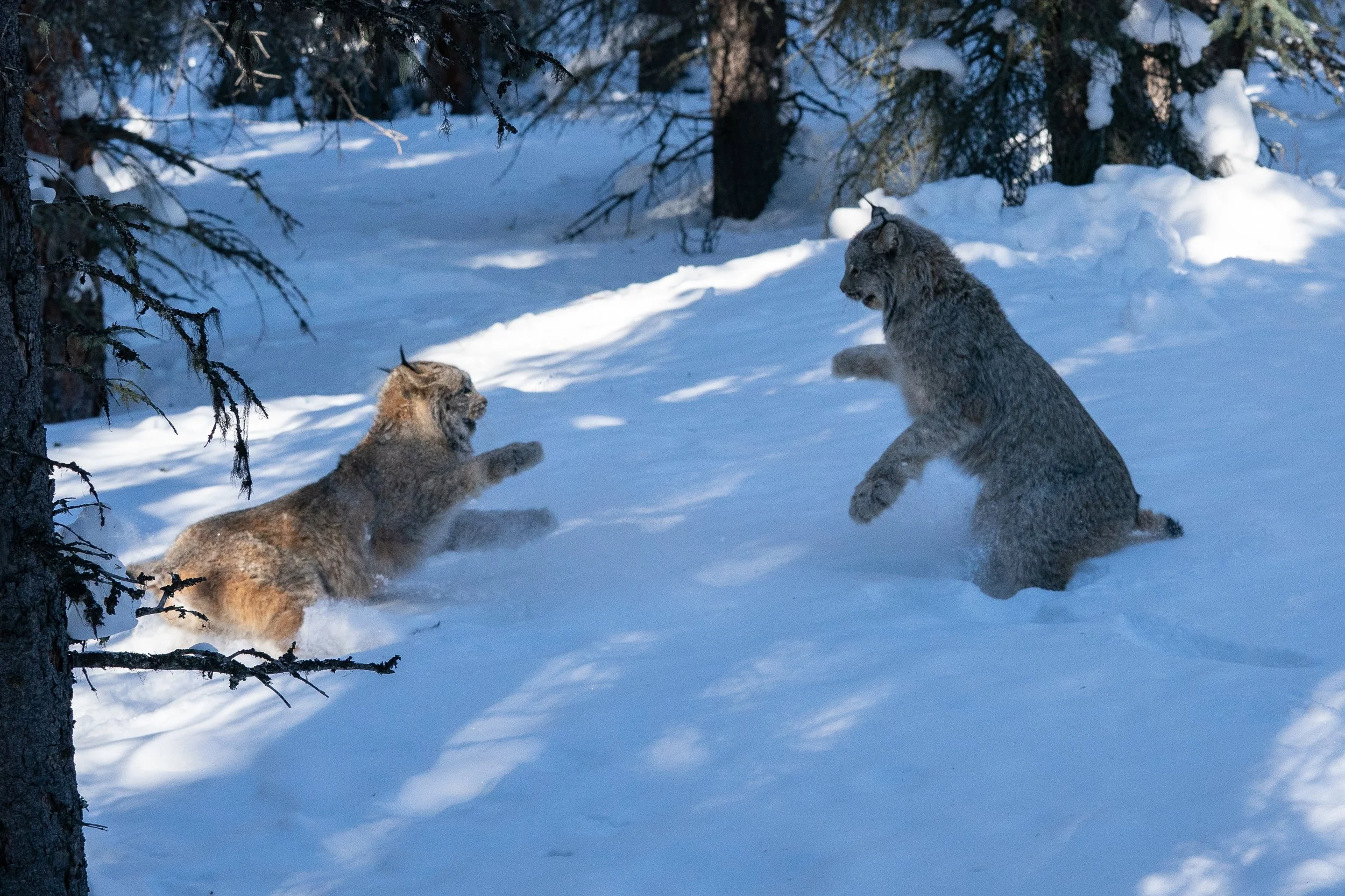
As if they had both been waiting for this exact moment, the male and female begin to move...

lynx movement, USFWS, Public Domain
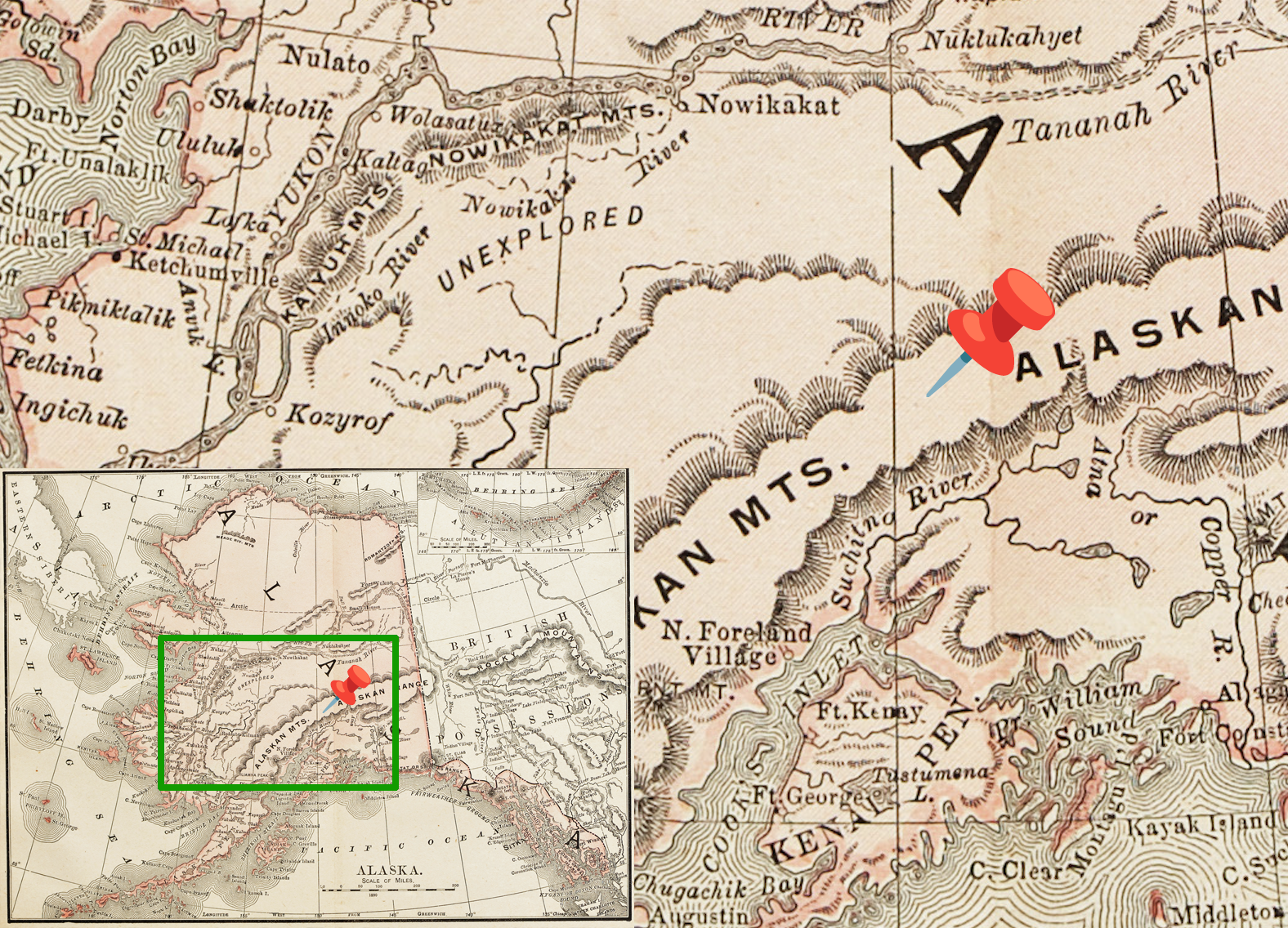
Behavior of the Canada Lynx (Lynx canadensis): Movement from early March to late August 2019
Looking at these dynamics, it becomes clear just how much the lynx is a creature of movement. After the breeding season ends in March, the females begin raising their young in dens, while the males embark on dramatic, long-distance journeys. It is important to note that 2019 was the year the snowshoe hare population began its downward turn. This empirical study aligns perfectly with my own rule of thumb from years in the field.
The definitive reason for such extensive movement remains unconfirmed, but 2019 marked the beginning of the sudden population crash of snowshoe hares across Interior Alaska. While various theories exist—such as the physiological shutdown of hare reproduction due to predator-induced stress—from the perspective of a lynx, the logic is likely simple: if there are no hares here, move until you find them.
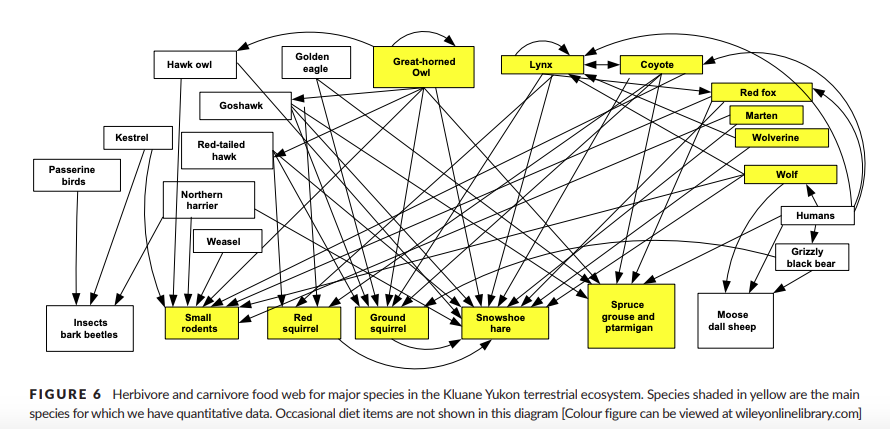
Predatory Relationships in the Boreal Forest
Within their habitat, animals are bound by the intricate web of predator and prey—the cycle of eating and being eaten. Every species is locked in a constant struggle: how to reliably escape a predator, or how to successfully secure a kill. In the heart of winter, it seems as though every waking moment is dedicated to a single, paradoxical mission: "to keep eating so as not to be eaten."
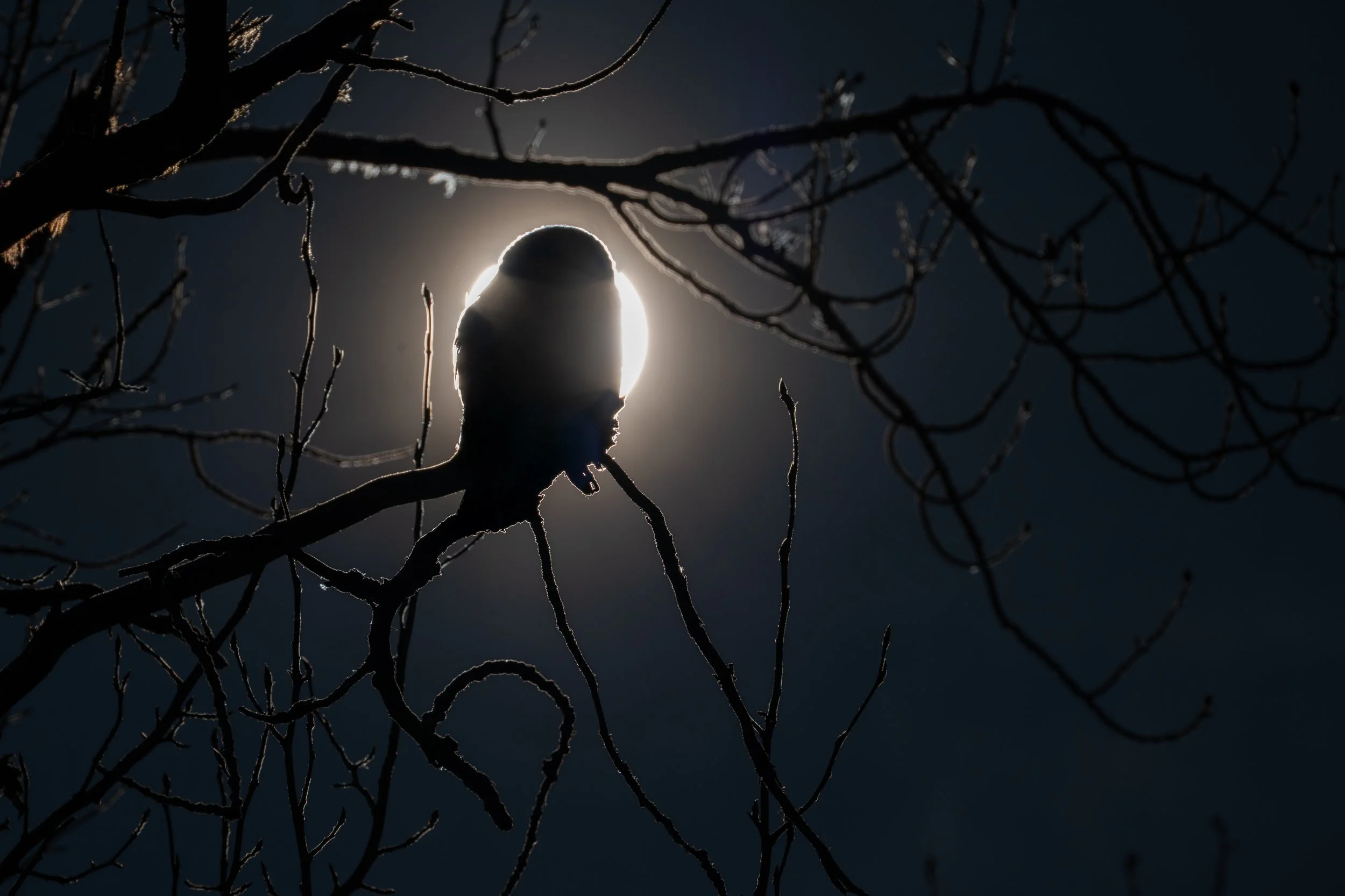
Northern hawk owl
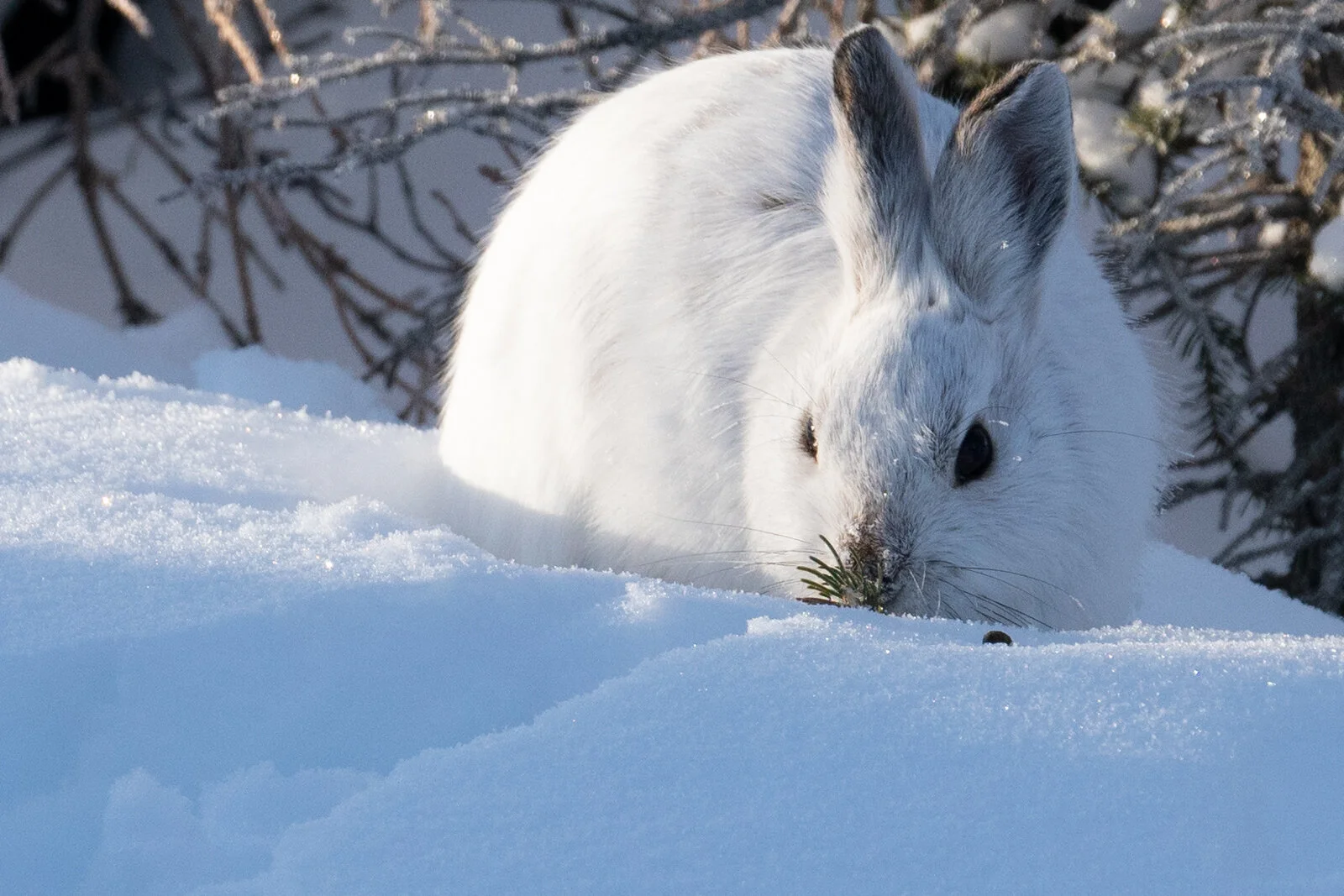
Snowshoe hare
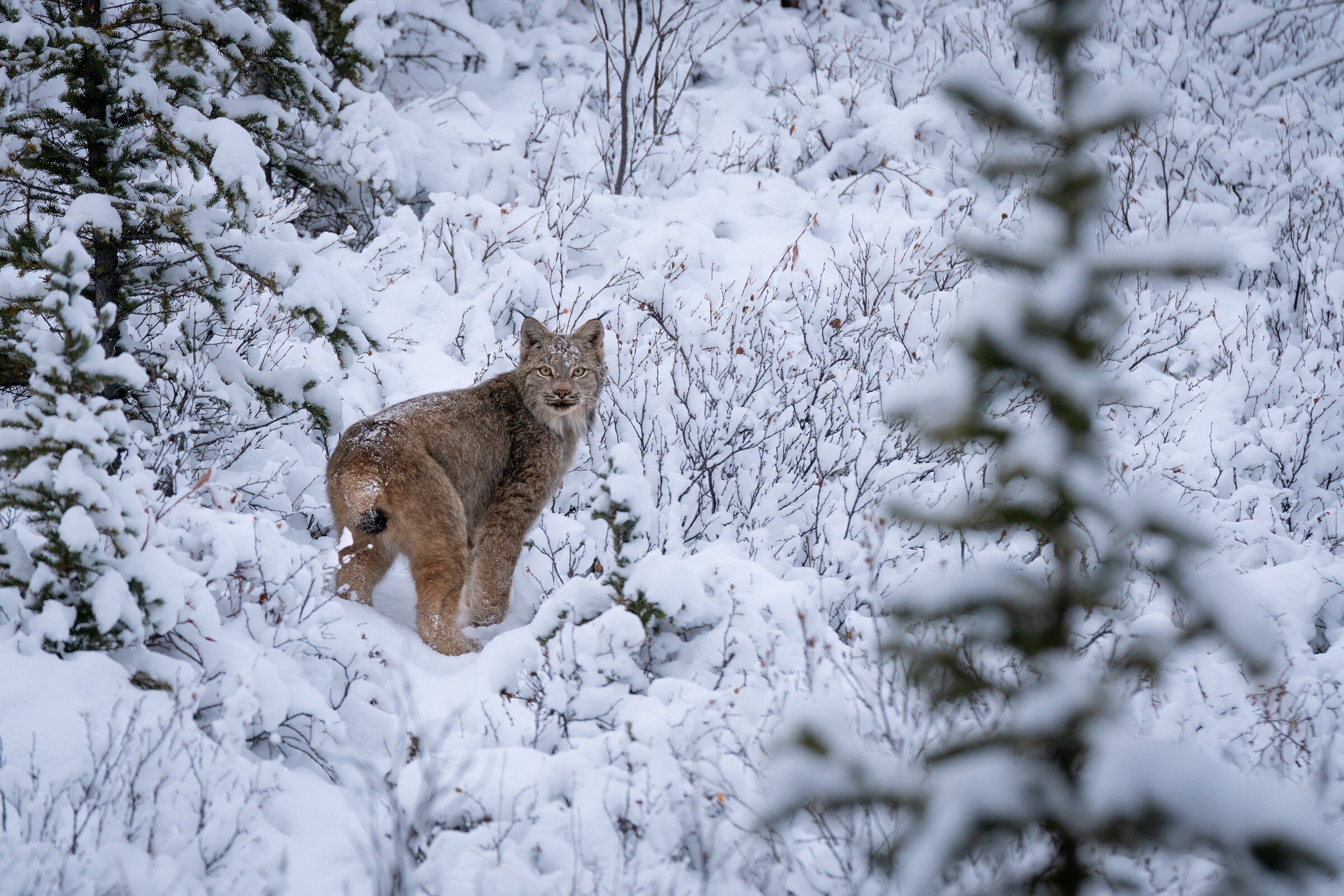
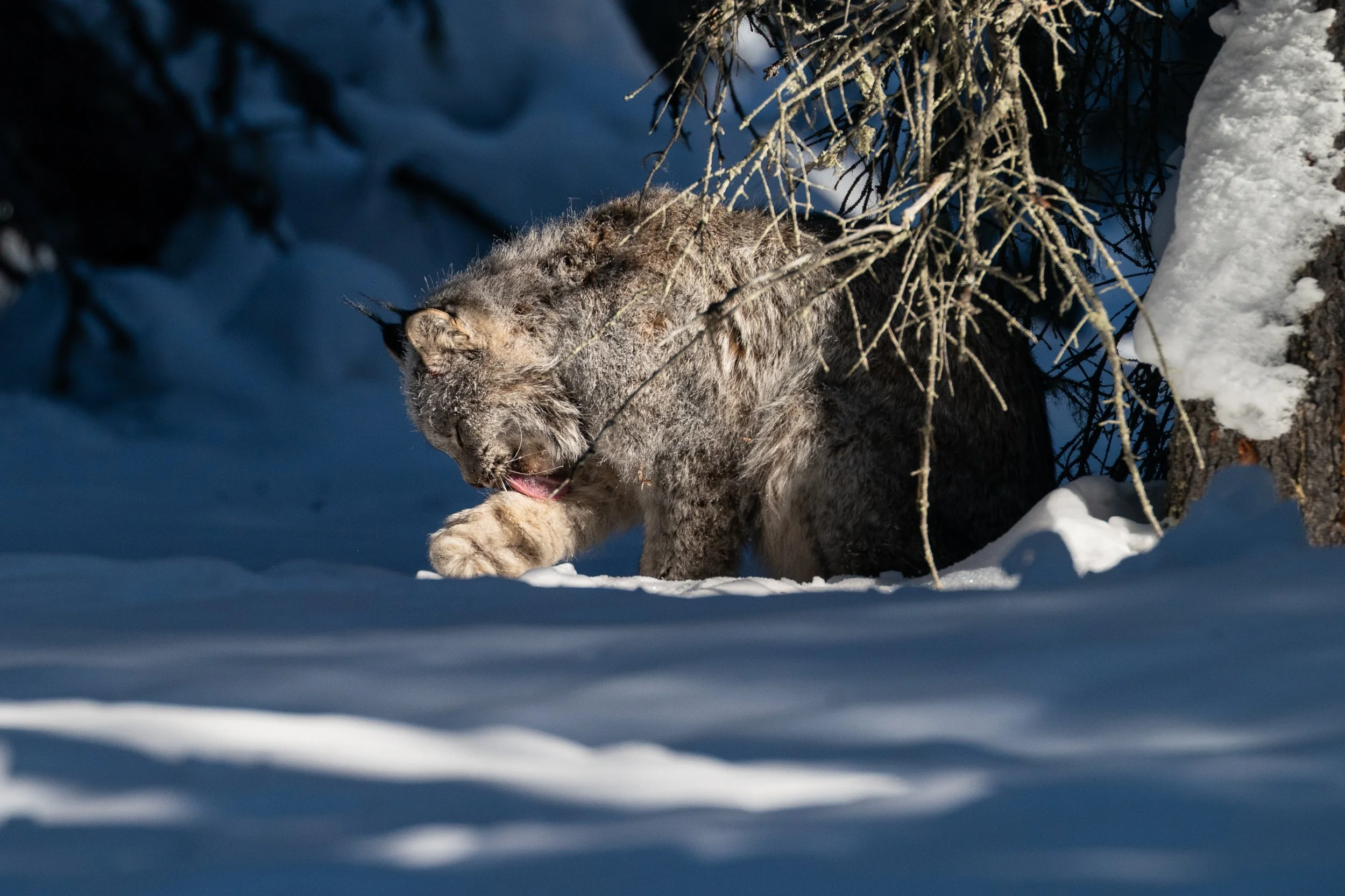
Lynx (Lynx canadensis)
Lynx is generally considered to be a nocturnal animal. However, most of the lynx here in Wrangell-St. Elias National Park acts during the twilight hours. In other words, it can be said that it is a crepuscular animal, even though the cat family is considered as a matutinal animal (active during daytime and adapted night time as well). Their active time appears to be influenced by the behavior of their prey, the snowshoe hare (antipredator adaptation).
Since 90% of lynx diets are snowshoe hare, as the number of snowshoe hares decreases, so does the number of lynxes. This is a normal cycle of nature, and neither species will naturally disappear nor extinct. If the number of lynx decreases, then the number of snowshoe hares increases. This is repeated in a cycle of eight to eleven years, so-called "10-year cycle" is what is called. 2018 was the peak year of the 10-year cycle in north of Wrangell-St. Elias National Park. The next peak is believed to be 2027.
The Ultimate Goal
The Lynx Hunt
What has remained unchanged since Chapter 1 is my ultimate objective in photographing the Canada lynx:
To capture the moment of the hunt as they pursue the snowshoe hare.
This is an extremely difficult feat, and it is said that no one has yet truly succeeded in capturing it perfectly. Needless to say, the key will be accurately gauging this 11-year cycle and determining exactly where and how to shoot. With that in mind, I continue my preparations.
All images of the “Northwest Boreal Forest Lynx Project 2019 Summary Report for Tetlin National Wildlife Refuge” are from published research papers. If you have any questions or need to report, please contact Nakashima Photography. Thank you.